

We may earn revenue from the products available on this page and participate in affiliate programs.
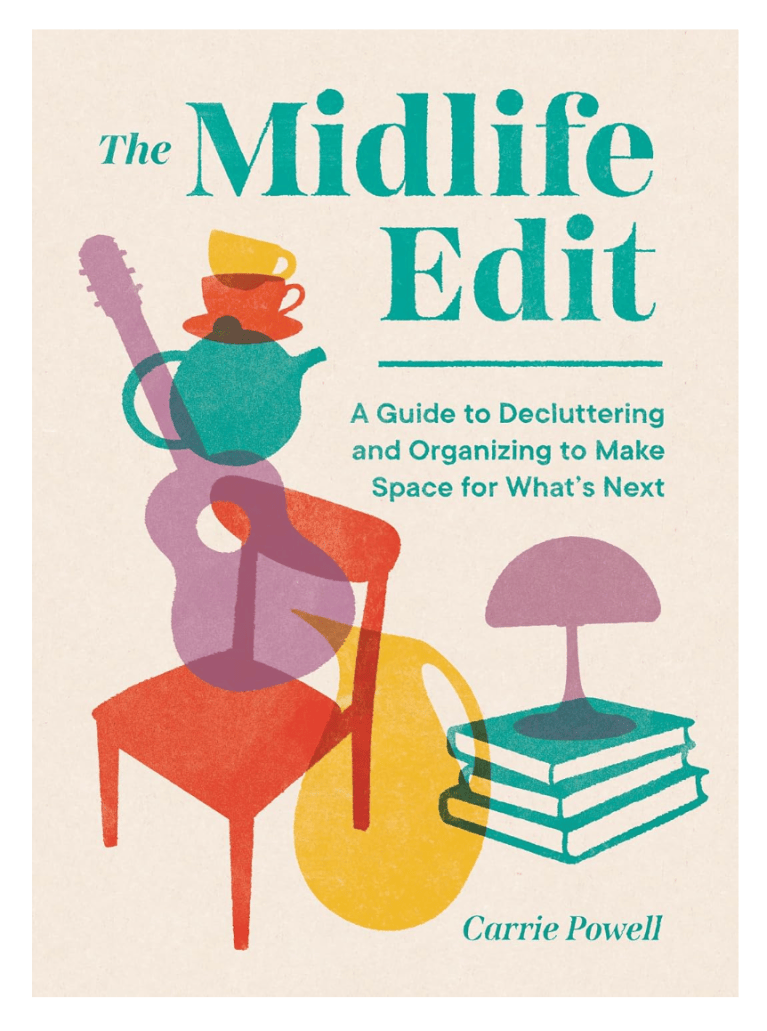
I like to think of myself as an organized person because I have systems—Drawer dividers! Transparent bins! Over-the-door racks!—for everything. My label maker gets used weekly. But when I read through professional organizer Carrie Powell’s new book, The Midlife Edit, I realized that despite getting pretty good at tidying up, I need to do some real work on the decluttering part—the step Powell likes to focus on with her clients and followers.
“Life is busy when you’re young and raising kids, so you spend time accumulating rather than getting rid of things,” says Powell. Having welcomed my first baby earlier this year (and all the gear that came with her) I felt seen right then and there. “By the time you reach midlife, you have a lot of stuff and feel buried by it,” Powell continues, speaking from her personal experience. In the summer of 2020, after retiring early from a 30-year career with Nordstrom, she got reacquainted with her house and all the stuff that had been tucked away in hidden storage spots, cabinets, and even in plain sight over the decades. She had to make hard choices about what to get rid of, and navigated the emotional hurdles that come with weeding out sentimental odds and ends.
“A big lesson for me was realizing that items I intentionally saved years ago don’t carry the same meaning to me now,” shares Powell. Exhibit A: her high school English papers. Yes, she still had them! “I never reread them. Eventually, I realized it was okay to throw them out,” she says. While Powell’s book is tailored to individuals navigating empty nesting, I found her advice refreshing and incredibly useful. Here are eight key editing lessons I’m taking from her book into this next chapter of my life.
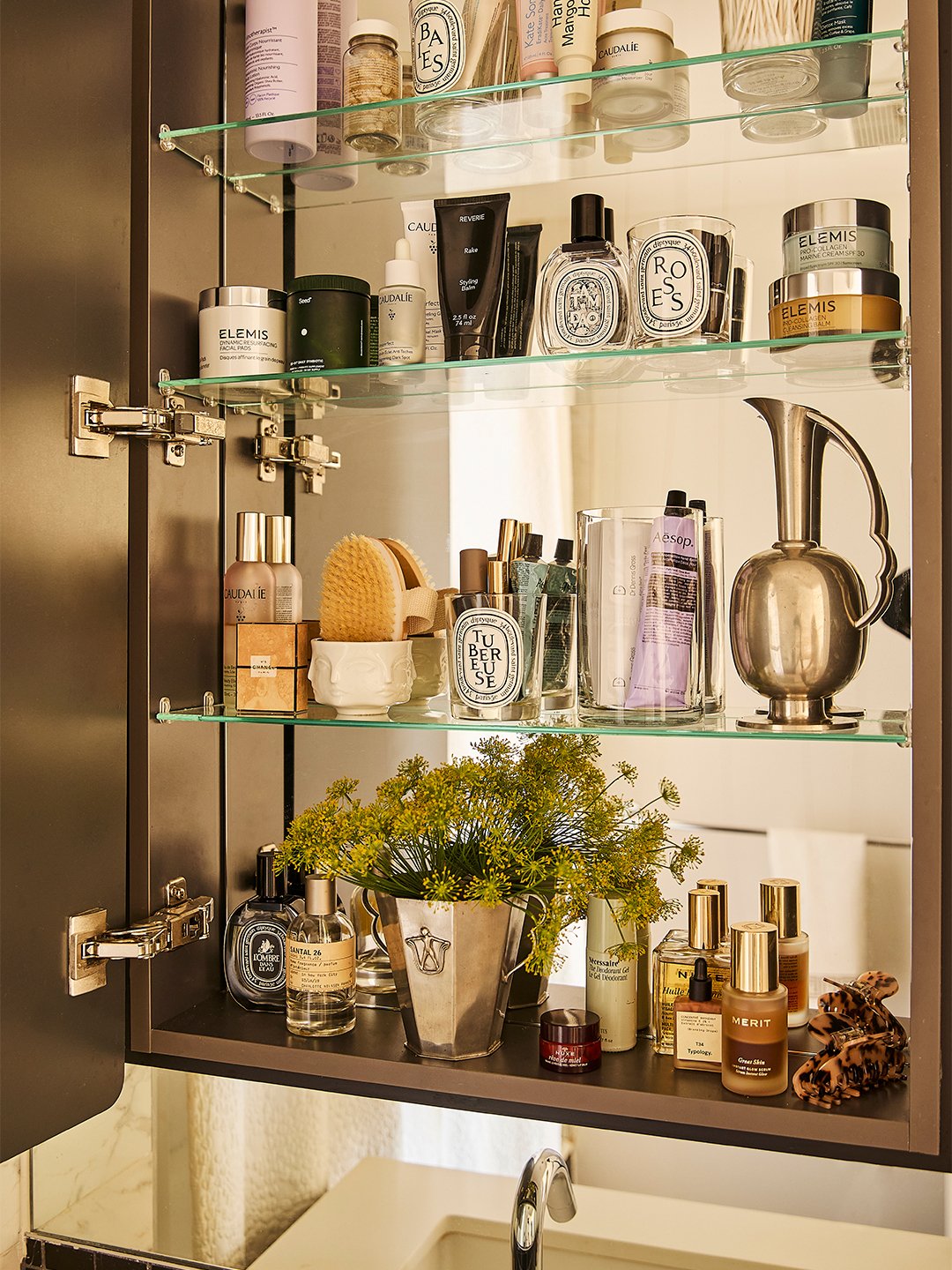
Acknowledge Waste Happens and Learn From It
My biggest mental block with decluttering is the shame I feel over the trash pile. Turns out, that’s the case for a lot of folks. “People struggle because an item is ‘perfectly good’ or they spent money on it, so they feel guilty letting it go,” Powell tells me. In her book, she names countless examples: a booster seat you save “just in case” a kid comes to stay; a face serum you didn’t like 10 years ago but parting with it never felt right. So, step one is acknowledging that you can’t declutter while refusing to throw anything away.
“What’s really wasteful is having all this stuff sitting around in your house that nobody uses,” says Powell. Looking at decluttering as a reset for the future helped me wrap my head around my own environmental guilt. Powell writes in The Midlife Edit that once you’ve gone through the process, “you’ll be much more aware of what you bring into your home and how you’ll eventually dispose of it.”
Have a Donation Plan Before Building the Heap
I can weed out ill-fitting sweaters pretty easily. The part I get stuck on is delivering said decent items to their rightful donation center. Getting over this hurdle, according to Powell, is as easy as researching what options are in your community and taking note of what categories of items they accept, what their hours are, and what their drop-off process is. Only once you’ve jotted that down should you dive into a decluttering session.
Pick Your “Toss” Vessels Wisely
Boxes are your donation drop-off BFFs. For starters, Powell says they’re easier to load and unload from the car, and they’re easily distinguishable from straight-up trash. Plus, I’m personally more likely to transport donations if they are in an open-top box rather than a kitchen trash bag that’s easy to slip, stack, and shove in a closet. The pro’s tip? Save and reuse boxes from package deliveries or ask your local liquor store for freebies.
Fend Off Decision Fatigue with Inside-Out Editing
When a decluttering task calls for speed, I love the idea of applying Powell’s inside-out method. Here’s how it works: Group all your like-items together (say, you’re going through your bras), pull out the ones you prioritize (the ones that actually fit, the ones you actually wear), then get rid of the rest. “Once you’ve pulled those out, you leave the rest unscrutinized,” she writes.
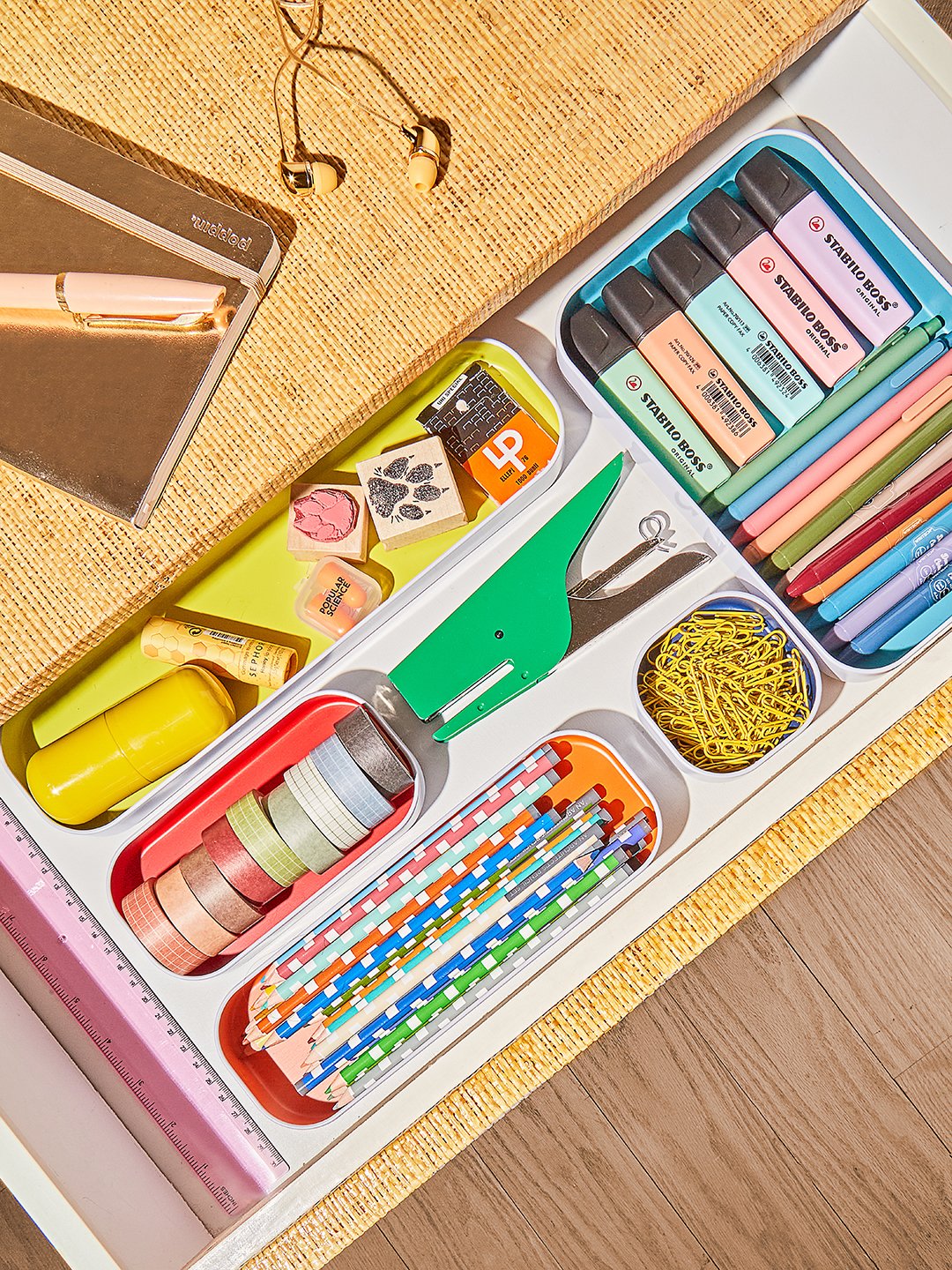
Start in Sentiment-Free Areas
The idea of sifting through souvenirs from family trips right off the bat is overwhelming enough to stop you in your tracks. So Powell suggests starting with items that don’t hold emotional value (you’ll find luck inside a medicine cabinet). After you get a few reps in, it’s easier to tackle harder stuff.
Set Decision Filters Before Sorting
Broken tools, duplicate toys, and expired medicines are obvious tosses. When you get to the tricky stuff though, like old birthday cards, it’s helpful to have rules in place to guide you—like only saving the ones that have personalized inscriptions, what Powell calls a “high value” filter. Other rules you might set yourself as you sift: keeping no more than 10 items, ensuring they remind you of a person, or determining whether it serves your current self versus a past life season, hobby, or event.
Tackle Paper Clutter by What to Keep, Digitize, or Shred
My paper clutter might be minimal compared to that of my parents, but I still found Powell’s system extremely helpful:
Originals to keep: vital records like birth certificates and marriage licenses, wills and trusts, powers of attorney, healthcare proxies, loan payoff documents.
Digitize (then ditch the paper version): tax returns going four years back, property tax records, lease agreements, retirement/pension summaries, receipts for large home improvement purchases.
Shred: recurring statements (credit card, retirement account), appliance manuals and warranties, printed emails, immunization records, explanation of medical benefits.
Don’t Overcomplicate Your Organizing Projects
“I do use organizing products, but only where necessary,” Powell shared when I asked her what her favorite solutions are. Labels are only helpful in places where family members truly never remember where things go. A fridge with a bunch of bins is unrealistic (although she loves using a lazy Susan in hers for condiments). For garages and basements, she swears by clear bins so you can always see what’s inside.
Her number one rule for organizing? Keep what you use most in your most accessible spots. I implemented this one on a small level by putting scissors in multiple drawers around my house (one in the kitchen for cutting food packaging, one in the bedroom for snipping clothing tags, and one in the entryway for slicing boxes). I can attest it’s a headache-saver.
Amazon